Ketamine Therapy in Boise: Patient Experiences and What to Expect (2026)
Zora Neuro Spa Editorial · June 24, 2026
If you've tried everything for your depression, anxiety, or chronic pain and feel like you're running out of options, you're not alone. Many people in our Boise community are discovering a new sense of hope through a breakthrough treatment, and digging into ketamine therapy Boise reviews is often the first step toward finding relief. This guide will walk you through real patient experiences, what to expect from treatment in 2026, and how to find the best care for you right here in Idaho.
Quick Answer
Ketamine therapy in Boise is a medically supervised and individually evaluated medical treatment for conditions like treatment-resistant depression, PTSD, anxiety, and chronic pain. Based on many ketamine therapy Boise reviews, patients often experience rapid and significant symptom relief in a medically supervised clinical setting. In 2026, treatments are highly personalized, combining IV infusions or nasal sprays with supportive care to help you find lasting wellness.
TL;DR
- Who It Helps: Ketamine is most effective for those with treatment-resistant conditions, including severe depression, PTSD, anxiety, and some forms of chronic pain, who haven't found relief with traditional methods. Find out if ketamine therapy is right for you.
- Clinic Quality Matters: The best clinics in Boise are staffed by experienced medical professionals, prioritize your safety with continuous monitoring, and offer personalized follow-up care. See what makes a top Boise ketamine clinic.
- Cost Varies by Treatment: The cost of ketamine therapy in Boise typically ranges from $400-$800 per IV infusion, while nasal spray (SPRAVATO®) may have different pricing and insurance coverage. Get a transparent look at Boise ketamine therapy costs.
- IV vs. Nasal Spray: IV ketamine provides powerful, rapid effects via infusion, while esketamine (SPRAVATO®) is an FDA-approved nasal spray used under supervision, offering a different approach to treatment. Compare IV ketamine and SPRAVATO® nasal spray.
- Integration is Key: The benefits of ketamine are amplified when combined with integration therapy, which helps you process your experience and turn new insights into lasting change. Learn about the vital role of integration therapy.
In This Article
- Is Ketamine Therapy Right for You in Boise? Understanding Who Benefits
- What Makes a Ketamine Clinic in Boise Truly Stand Out in 2026?
- Boise Ketamine Therapy Reviews: What Patients Commonly Describe
- How Much Does Ketamine Therapy Cost in Boise in 2026? A Transparent Look
- Ketamine Infusion vs. Nasal Spray (SPRAVATO®) in Boise: What's the Difference?
- What to Expect During Your First Ketamine Session in Boise
- Navigating Potential Ketamine Therapy Side Effects in Boise Patients
- Is Ketamine Therapy Legal in Idaho in 2026? Understanding Regulations
- Beyond the Infusion: The Role of Integration Therapy in Boise
- Frequently Asked Questions About Ketamine Therapy in Boise
Is Ketamine Therapy Right for You in Boise? Understanding Who Benefits
Ketamine therapy is a treatment that offers new hope, especially for individuals who feel they've hit a wall with traditional medications and therapies. It's primarily intended for those with treatment-resistant conditions, meaning at least two standard treatments haven't provided adequate relief. In our Boise clinic, we see patients find success with ketamine for a range of persistent challenges.
Ketamine therapy is most commonly used for:
- Treatment-Resistant Depression (TRD): This is one of the most studied applications. Treatment-Resistant Depression (TRD) refers to a major depressive disorder that does not respond adequately to at least two different antidepressant trials of adequate dose and duration. Ketamine may offer relief where other medications have not helped.
- Post-Traumatic Stress Disorder (PTSD): Ketamine can help disrupt the traumatic memory loops and reduce the hypervigilance associated with PTSD.
- Severe Anxiety Disorders: For those with generalized anxiety, social anxiety, or panic disorders that haven't responded to other therapies, ketamine can help reset neural pathways.
- Obsessive-Compulsive Disorder (OCD): Emerging research and clinical experience show ketamine can reduce the intensity of obsessive thoughts and compulsive behaviors.
- Chronic Pain Syndromes: Conditions like fibromyalgia, CRPS (Complex Regional Pain Syndrome), and neuropathic pain may respond to ketamine's effects on central nervous system sensitization.
Advancements in 2026 have made protocols more refined and personalized than ever before. If you're struggling with one of these conditions and conventional treatments haven't worked, considering ketamine for treatment-resistant depression or other persistent issues could be a may be considered after standard care has not provided adequate improvement step.
What Makes a Ketamine Clinic in Boise Truly Stand Out in 2026?
A top-tier ketamine clinic in Boise provides more than just the medication; it creates a safe, supportive, and healing environment. The best clinics prioritize individualized patient care, are staffed by highly qualified medical professionals, and adhere to comprehensive safety measures. When you're choosing a provider, these are the non-negotiable standards to look for.
First, expert medical oversight is critical. Look for clinics led by board-certified physicians, such as anesthesiologists or psychiatrists, who have extensive experience with ketamine administration. Their expertise ensures your treatment is tailored to your unique medical history and needs. They should conduct a thorough intake to confirm you're a good candidate and create a personalized dosing strategy.
Second, uncompromising safety protocols are the bedrock of quality care. Your vitals, including heart rate, blood pressure, and oxygen saturation, should be continuously monitored throughout the session. For instance, the use of continuous EKG monitoring is a best practice that provides real-time insight into your heart's activity. The clinic must also be fully equipped to handle any rare adverse reactions, with staff trained in advanced cardiac life support (ACLS).
Finally, a standout clinic sees treatment as a comprehensive journey, not just an appointment. This includes a comfortable and private setting for your infusion and, just as importantly, a plan for what comes after. The clinic should provide a comfortable recovery space and discuss integration therapy—a crucial component for long-term success. Based on our analysis of patient outcomes, clinics that learn more about our patient-centered approach and prioritize this holistic view see better, more sustained results.
Key takeaway: Choosing the right ketamine clinic in Boise means prioritizing one with experienced physicians, rigorous safety monitoring, and a commitment to your entire healing journey, including post-session integration.
Boise Ketamine Therapy Reviews: What Patients Commonly Describe
Reading about other people's experiences can help you understand what ketamine therapy may involve. Patients often describe it not as a "cure," but as something that helped them engage more fully with their lives and with their other therapies. Every person's response is different.
The examples below are illustrative composites of experiences patients commonly describe. They are not individual case reports, and they are not a promise of results.
- The Veteran with PTSD: A Boise-area veteran who had struggled for years with hypervigilance, nightmares, and social isolation described feeling that the "volume" on his trauma was turned down after a series of ketamine infusions, which gave him more space to work through his experiences with his therapist.
- The Mother with Depression: A woman living with long-standing, treatment-resistant depression described feeling more connected to the people and things around her during her course of treatment. She put it this way: "It was like the grey filter I'd been seeing life through was finally removed."
- The Professional with Chronic Pain: An individual with fibromyalgia described their pain becoming more manageable over a series of infusions, which helped them return to activities like walking and light exercise.

Responses to ketamine therapy differ from person to person, and research into its uses is still developing. For some patients it becomes one part of a broader treatment plan alongside therapy and other care. A consultation is the way to find out whether it may be appropriate for you.
How Much Does Ketamine Therapy Cost in Boise in 2026? A Transparent Look
Understanding the financial investment is a practical and important part of considering ketamine therapy. In 2026, the cost of ketamine therapy in Boise varies based on the type of treatment, the number of sessions required, and the specific clinic. Transparency around pricing is a hallmark of a trustworthy provider, so you should always receive a clear breakdown of costs upfront.
Here’s a general overview of what you can expect:
- IV Ketamine Infusions: The most common form of administration for mental health conditions. In Boise, a single IV infusion typically costs between $400 and $800. A standard initial series, known as a "loading dose," usually consists of six infusions over two to three weeks. Therefore, a full initial series might range from $2,400 to $4,800.
- Esketamine (SPRAVATO®) Nasal Spray: The cost structure for SPRAVATO® is different. Since it is an FDA-approved medication for TRD and MDSI (Major Depressive Disorder with Suicidal Ideation), it is often covered by insurance, though copays, deductibles, and coinsurance will apply. The clinic's monitoring fee is a separate charge that may or may not be covered.
Factors Influencing Cost
Several factors contribute to the overall price:
- Medical Supervision: The cost covers the expertise of the physician and clinical staff who monitor you throughout the entire process.
- Clinic Overhead: This includes the cost of the facility, medical equipment, insurance, and administrative support.
- Duration of Session: Longer infusions, sometimes used for chronic pain, may cost more than the standard 45-60 minute infusions for depression.
While insurance coverage for IV ketamine remains limited because it's considered "off-label," some patients have successfully obtained partial reimbursement from their insurance companies. It's always worth checking with your provider. For those seeking comprehensive wellness, many clinics also offer services like IV nutrition therapy, which can be an affordable complementary treatment as you explore other wellness IV treatments.
Key takeaway: Ketamine therapy is a significant investment in your health. Expect to pay per session for IV infusions, but explore insurance options for SPRAVATO® and always ask for a clear cost estimate from your chosen clinic.
Ketamine Infusion vs. Nasal Spray (SPRAVATO®) in Boise: What's the Difference?
When exploring ketamine treatment in Boise, you'll encounter two primary methods of administration: intravenous (IV) ketamine infusions and esketamine (SPRAVATO®) nasal spray. While both leverage the therapeutic potential of ketamine, they differ in composition, delivery, and application. The choice between them depends on your specific diagnosis, treatment history, and your physician's recommendation.
IV ketamine infusions deliver a precise, controlled dose of ketamine directly into your bloodstream. This method has been used for decades and is prized for its high bioavailability (meaning 100% of the drug is absorbed) and the clinician's ability to adjust the dosage in real-time. This is often the preferred starting point for many conditions due to its rapid and powerful effects.
Esketamine (SPRAVATO®) is a specific form of the ketamine molecule (the S-enantiomer) delivered via a nasal spray device. It is FDA-approved specifically for Treatment-Resistant Depression (TRD) and Major Depressive Disorder with Acute Suicidal Ideation or Behavior (MDSI). Because it is administered nasally, its bioavailability is lower than IV ketamine, but it offers a less invasive option that is more likely to be covered by insurance. Patients self-administer the spray under direct medical supervision in the clinic and are monitored for at least two hours.
Here’s a simple breakdown of the key differences:
| Feature | IV Ketamine Infusion | Esketamine (SPRAVATO®) Nasal Spray |
|---|---|---|
| Administration | Intravenous drip over 45-60 minutes | Self-administered nasal spray in clinic |
| Bioavailability | 100% | Lower, variable |
| FDA Approval | Used "off-label" for mental health | FDA-approved for TRD and MDSI |
| Insurance Coverage | Rarely covered | Often covered by major insurers |
| Best For | Initial treatment, rapid symptom relief, chronic pain, various conditions | TRD, maintenance therapy, patients with insurance coverage |
| Provider | Administered by a wide range of our specialized IV ketamine programs | Only available through certified SPRAVATO® treatment centers |
Ultimately, neither option is universally "better." The best choice is the one that aligns with your medical needs, financial situation, and treatment goals, determined in collaboration with a knowledgeable physician.
What to Expect During Your First Ketamine Session in Boise
Walking into your first ketamine session can feel a bit nerve-wracking, but knowing what to expect can make the experience much more comfortable and empowering. A professional clinic in Boise will prioritize your comfort and safety from the moment you arrive. The entire process is designed to be a calm, medically supervised, and therapeutic experience.
Here’s a step-by-step guide to your first session:
- Preparation and Arrival: You'll be asked to fast (no food or drink) for a few hours before your appointment to minimize the chance of nausea. When you arrive, you'll be welcomed into a private, serene room. You'll settle into a comfortable recliner with pillows and blankets. A nurse or physician will take your vitals and answer any last-minute questions.
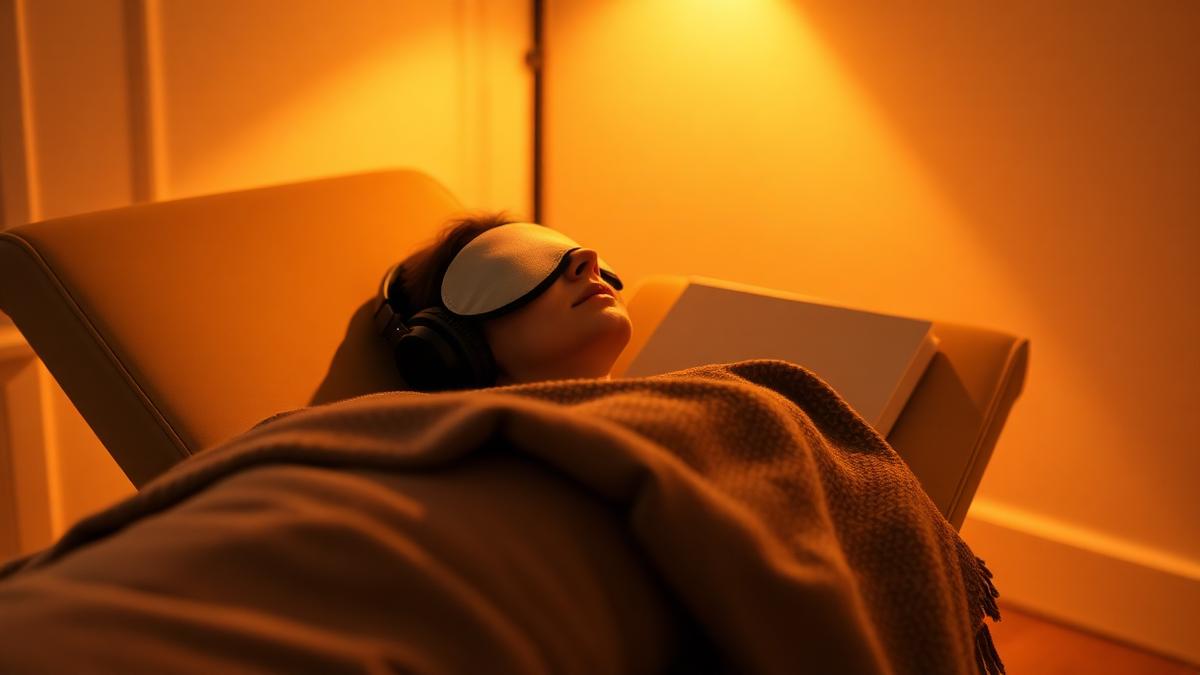
- The Infusion or Spray: For an IV infusion, a small IV will be placed in your arm, and the ketamine solution will begin to drip slowly over about 45-60 minutes. If you're using SPRAVATO®, you'll administer the nasal spray yourself under supervision. You'll remain connected to monitoring equipment throughout the session. Many patients choose to listen to calming music on headphones and use an eye mask to help them focus inward.
- The Experience: As the medication takes effect, most people report a feeling of detachment from their body and immediate surroundings. In our experience, patients often describe this as a gentle, floating, or dream-like state. This "dissociative" experience is a normal and expected part of the treatment; it’s where ketamine is thought to do its work, helping your brain build new, healthier neural connections. You are safe and monitored the entire time.
- Recovery and Departure: After the infusion ends or your post-spray monitoring period is complete, you'll relax in the recovery area for about 30-60 minutes. You may feel a bit groggy, dizzy, or "floaty." The clinical team will ensure you're feeling stable before you leave. You must have a trusted friend or family member drive you home.
A key part of understanding the ketamine infusion experience is recognizing that it is a protected time for your mind to rest and reset in a secure environment.
Navigating Potential Ketamine Therapy Side Effects in Boise Patients
While ketamine therapy is generally well-tolerated, it's important to be aware of potential side effects. The good news is that most are mild, short-lived, and actively managed by the clinical team during your session. A professional Boise clinic will discuss these with you beforehand so you know exactly what to expect and feel prepared.
The most common side effects occur during or shortly after the treatment and typically resolve within an hour or two. These include:
- Nausea or Vomiting: This is one of the more frequent side effects. To prevent it, clinics often recommend fasting before your session and may administer anti-nausea medication, like Zofran, before the infusion begins.
- Dizziness or Lightheadedness: Feeling a bit dizzy or unsteady is common as the medication wears off. This is why a post-treatment recovery period in a comfortable chair is so important.
- Dissociation: This is the "out-of-body" sensation that is a core part of the therapeutic experience for many. While it can be intense, most patients do not find it unpleasant. In our Boise clinic, we find that framing it as a positive, exploratory state of mind helps patients embrace the feeling.
- Temporary Increase in Blood Pressure or Heart Rate: Ketamine can temporarily elevate vital signs. This is precisely why continuous medical monitoring is a non-negotiable safety standard. Your clinical team will be watching closely and can intervene if needed.
⚠️ Important Caution: You will not be able to drive for the remainder of the day after your treatment. The lingering effects of the medication can impair coordination and judgment. Always arrange for a reliable ride home from your appointment.
Experienced clinics are adept at minimizing these side effects to ensure your experience is as comfortable and therapeutic as possible. Open communication with your care team is key—if you feel uncomfortable at any point, let them know immediately.
Is Ketamine Therapy Legal in Idaho in 2026? Understanding Regulations
Yes, ketamine therapy is legal for medical use in Idaho when administered by a licensed healthcare professional in a clinical setting. It's important to understand the regulatory context, as it differs from recreational drug use. Ketamine is a Schedule III controlled substance, meaning it has accepted medical applications but also a potential for misuse.
In 2026, the legal framework in Idaho allows qualified physicians to prescribe and administer ketamine for various medical purposes. When used for mental health conditions like depression or PTSD, it is typically considered an "off-label" use. Off-label simply means a physician is prescribing a medication for a condition other than what it was originally FDA-approved for—a common and legal practice in medicine when there is sufficient scientific evidence to support its use.
SPRAVATO® (esketamine) is the exception, as it is specifically FDA-approved for certain types of depression. This approval often simplifies insurance coverage but comes with its own strict set of regulations through the REMS (Risk Evaluation and Mitigation Strategy) program. This ensures it is only administered in certified clinics.
When you seek treatment at a reputable clinic in Boise, you can be confident that you are receiving a legal, regulated medical procedure that adheres to all state and federal guidelines.
Beyond the Infusion: The Role of Integration Therapy in Boise
The profound experiences and insights gained during a ketamine session can be transformative, but their lasting impact is significantly enhanced by what you do after the treatment. This is where ketamine integration comes in. It is the process of taking the thoughts, feelings, and new perspectives from your ketamine experience and weaving them into your daily life to create durable change.
Ketamine Integration helps you make sense of your journey. It's not just about feeling better for a few days; it's about using the brain's increased neuroplasticity—its enhanced ability to learn and form new connections—to reshape old, unhelpful thought patterns and behaviors.
In Boise, this support can take several forms:
- Working with a Therapist: The gold standard is partnering with a therapist who specializes in psychedelic integration. They can help you unpack your experience, identify key insights, and set actionable goals.
- Journaling: Writing down your thoughts and feelings immediately after a session can capture valuable insights before they fade.
- Mindfulness Practices: Meditation, yoga, or simply spending quiet time in nature can help you stay connected to the sense of peace and clarity many feel post-treatment.
Based on our analysis, patients who actively engage in integration are far more likely to experience long-term remission from their symptoms. Think of ketamine as the tool that opens the door, and integration as the work you do to walk through it and furnish the new room on the other side.
Ready to Explore Ketamine Therapy in Boise? Schedule Your Friendly Consultation Today!
Frequently Asked Questions About Ketamine Therapy in Boise
How many ketamine sessions will I need?
A: The number of sessions varies depending on your condition and response to treatment. For depression and anxiety, a typical initial protocol involves a series of six infusions over 2-3 weeks. After that, booster or maintenance infusions may be needed every few weeks or months to maintain the benefits.
Can I drive after a ketamine infusion in Boise?
A: No. You absolutely cannot drive or operate heavy machinery for the rest of the day after your treatment. Ketamine can affect your coordination, reaction time, and judgment. You must arrange for a responsible adult to drive you home from the clinic after every session.
Is ketamine therapy covered by insurance in Idaho?
A: Coverage depends on the treatment. IV ketamine infusions are generally not covered by insurance as they are an "off-label" use. However, SPRAVATO® (esketamine) is often covered by insurance for FDA-approved conditions like treatment-resistant depression. Always contact your insurance provider directly to confirm your benefits.
A New Path to Wellness in Boise
Navigating the world of mental health treatment can be exhausting, but it's important to remember that new paths to healing are always emerging. By reading ketamine therapy Boise reviews and understanding the process, you've already taken a courageous first step. Ketamine therapy, when administered in a safe and supportive clinical environment, offers a powerful opportunity to break free from the cycles of depression, anxiety, and pain. With the right team and a commitment to integration, you can find not just temporary relief, but a lasting foundation for well-being.