How Long Does Ketamine Infusion Last for Anxiety? 2026 Duration & Efficacy Guide
Zora Neuro Spa Editorial · April 11, 2026
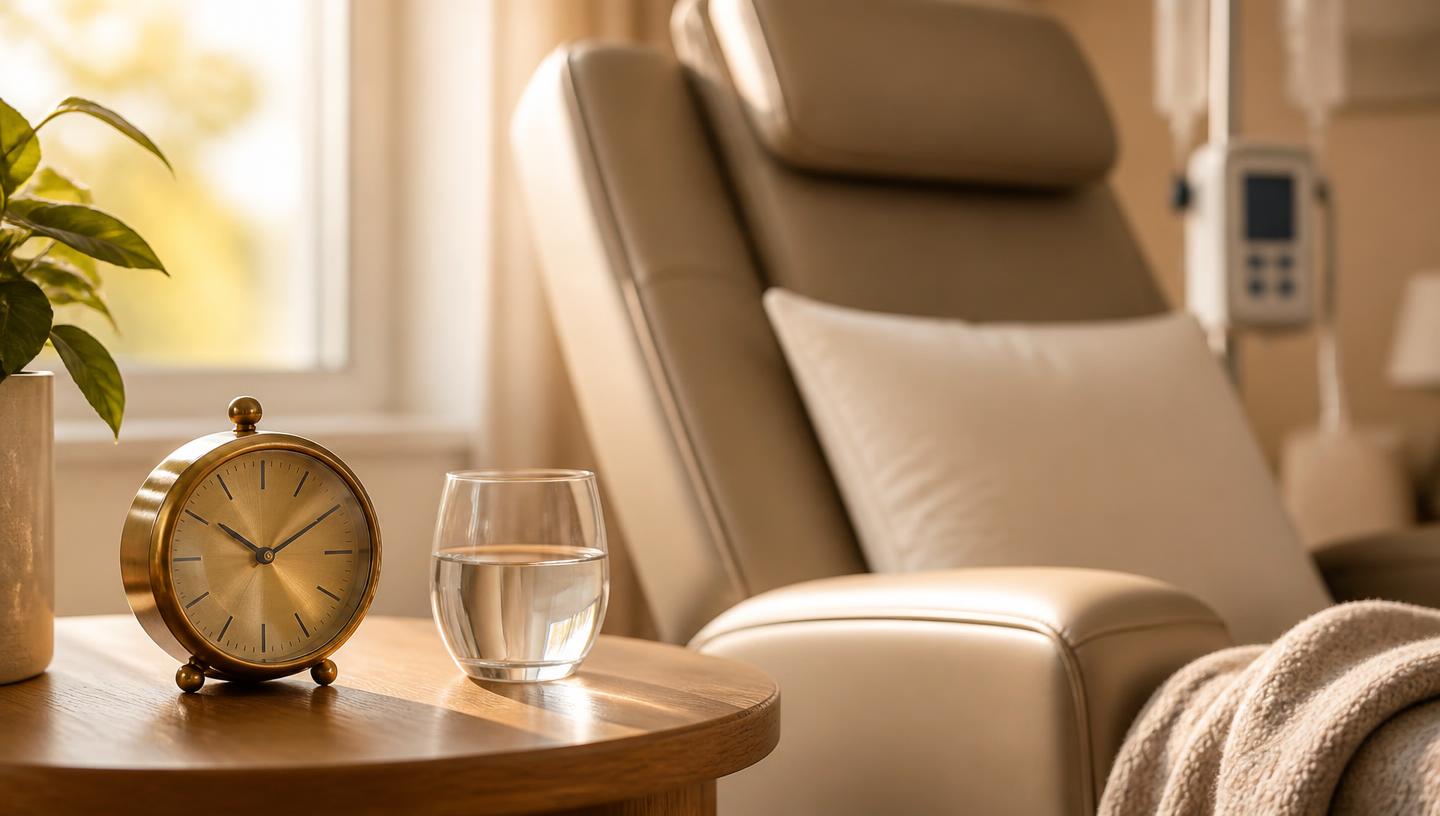
If you're grappling with persistent anxiety, you know how exhausting it can be to find a treatment that brings lasting relief. You've likely heard about ketamine infusions and are wondering, "How long does ketamine infusion last for anxiety?" This guide will give you a clear, 2026-updated timeline for what to expect, from your first session to long-term maintenance.
Quick Answer
For anxiety, the immediate calming effects of a ketamine infusion are felt during the 40-minute session, but the true therapeutic benefits last much longer. After an initial series of about six infusions, most patients experience significant anxiety relief for one to two months, with some reporting benefits for even longer. This relief is maintained through periodic "booster" infusions scheduled as needed.
TL;DR
- Initial Relief Requires a Series: A single infusion provides temporary relief, but a full "induction series" of about six infusions over 2-3 weeks is necessary to build lasting neuroplastic changes that reduce anxiety. Learn about the standard induction protocol.
- Duration Varies by Phase: The antidepressant and anti-anxiety effects from the initial series can last from several weeks to a few months. Long-term relief is sustained with periodic booster infusions. See how boosters maintain relief.
- IV Ketamine vs. Spravato: Intravenous (IV) ketamine offers direct delivery into the bloodstream for maximum effect, often leading to a more profound and potentially longer-lasting response for severe anxiety compared to the nasal spray Spravato (esketamine). Compare IV ketamine and Spravato side-by-side.
- Integration is Key to Longevity: The benefits of ketamine last longest when paired with therapy and healthy lifestyle changes. The treatment provides a "window of opportunity" to build new, healthier thought patterns. Understand why the effects can wear off without integration.
In This Article
- How Long Does Ketamine Infusion Last for Anxiety Relief in 2026?
- How Many Ketamine Sessions Are Needed for Anxiety?
- IV Ketamine vs. Spravato for Anxiety Duration: Which Lasts Longer?
- Why Does Ketamine Wear Off for Anxiety?
- Identifying Your Ketamine Booster Infusion Schedule
- Are There Long-Term Side Effects for Anxiety Treatment?
- Cost of Ketamine Infusion for Anxiety: 2026 Boise Pricing Guide
- Frequently Asked Questions
How Long Does Ketamine Infusion Last for Anxiety Relief in 2026?
The duration of anxiety relief from a ketamine infusion is best understood by separating the drug's presence in your body from its lasting effects on your brain. The ketamine molecule itself is cleared from your system within hours. However, the powerful anti-anxiety effects happen because ketamine triggers a cascade of changes in your brain chemistry, creating a "neuroplastic window" that can last for weeks or even months.
Think of it like this: ketamine isn't just a temporary patch for anxiety symptoms. It works by stimulating the growth of new connections between brain cells (synapses), particularly in regions affected by chronic stress and anxiety. This is primarily achieved through its interaction with a neurotransmitter called Glutamate.
Glutamate is the most abundant excitatory neurotransmitter in your brain and plays a crucial role in synaptic plasticity, which is the brain's ability to learn, change, and adapt. By modulating Glutamate pathways, ketamine prompts a rapid increase in a protein called Brain-Derived Neurotrophic Factor (BDNF), often described as "Miracle-Gro for the brain." This surge of BDNF helps repair damaged neural circuits and build new, healthier ones, making your brain more resilient to anxiety triggers.
In our clinical experience with Boise-area patients throughout 2025 and 2026, we’ve found this process creates two distinct timelines:
- Pharmacological Presence: The dissociative or "floaty" feeling lasts for the duration of the 40-60 minute infusion and fades shortly after.
- Therapeutic Window: The significant reduction in generalized anxiety, panic, and obsessive thoughts begins within hours to a day and, after an initial series, can last for 4 to 8 weeks before a booster may be needed.
This is not just covering up symptoms; it's actively remodeling the brain's hardware. The goal of a full treatment course is to use this window of enhanced neuroplasticity to solidify long-term changes with the help of therapy and lifestyle adjustments.
Key takeaway: The ketamine medication leaves your body quickly, but the anxiety relief it provides lasts for weeks to months because it helps your brain physically rebuild and create healthier neural pathways.
How Many Ketamine Sessions Are Needed for Anxiety?
A single ketamine infusion is not a complete treatment. To achieve durable anxiety relief, clinics follow a standard protocol known as the induction series, which typically consists of six infusions spread over two to three weeks. This schedule is critical for creating cumulative and lasting neuroplastic changes in the brain.
Think of it like going to the gym. One workout feels good, but it won't build lasting strength. Consistent training over several weeks is what creates real change. Similarly, each ketamine infusion builds upon the last, progressively strengthening new neural pathways and quieting the overactive anxiety circuits in the brain. In our practice, we find that a patient with Generalized Anxiety Disorder (GAD) may see a noticeable "breakthrough" around the third or fourth infusion, where they experience a significant shift in their baseline level of anxiety.
Preparing for your infusions can help maximize their effectiveness. Knowing what to expect can significantly reduce any pre-treatment jitters. You can learn more about this by preparing for your first ketamine session. A successful induction series generally follows these steps.
Checklist for a Successful Induction Series:
- Commit to the Full Series: Schedule all six sessions upfront to ensure consistency.
- Arrange Transportation: You cannot drive for 24 hours after an infusion, so plan for a ride home.
- Set Intentions: Before each session, take a moment to reflect on what you hope to achieve, such as letting go of a specific fear or worry.
- Create a Calm Environment: Bring headphones with a calming playlist, an eye mask, and a comfortable blanket to your session.
- Plan for Integration: Schedule time for rest, journaling, or a therapy session soon after each infusion to process your experience and reinforce positive changes.
This initial series is the foundation of your treatment. Once completed, you and your provider will develop a long-term plan that involves periodic booster infusions to maintain your progress.
IV Ketamine vs. Spravato for Anxiety Duration: Which Lasts Longer?
When considering ketamine treatment for anxiety, patients in the Boise area often weigh the options of intravenous (IV) ketamine and the nasal spray Spravato (esketamine). While both are forms of ketamine, their delivery method, bioavailability, and typical duration of effect differ significantly. For severe or treatment-resistant anxiety, IV ketamine often has an edge in 2026 treatment protocols due to its potency and control.
IV ketamine involves administering the medication directly into the bloodstream. This method has direct delivery into the bloodstream, meaning the entire dose is available to your body and brain. This allows for precise, real-time control over the dosage, which can be adjusted during the infusion for optimal comfort and effect. Based on our analysis, this high bioavailability often leads to a more profound and rapid anti-anxiety response.
Spravato is the brand name for esketamine, a chemical cousin of ketamine, delivered as a nasal spray. Its bioavailability is lower and more variable. Because it's absorbed through the nasal passages, the exact amount reaching the brain can fluctuate. While it is FDA-approved for Treatment-Resistant Depression (often with an oral antidepressant) and has better insurance coverage, the effects can sometimes be less robust for managing severe anxiety compared to IV ketamine.
While focusing on anxiety, many patients also consider how these delivery methods work for related conditions. You can read a detailed comparison for Spravato vs intravenous ketamine for PTSD in Boise.
Here is a direct comparison of the two modalities for anxiety treatment:
| Feature | IV Ketamine | Spravato (Esketamine) |
|---|---|---|
| Bioavailability | 100% (direct to bloodstream) | Lower (nasal absorption) |
| Typical Session Duration | 40-60 minutes infusion | 2 hours (in-clinic observation) |
| Time to Initial Relief | Often within hours of first infusion | Can take several sessions |
| Duration of Effect | Can last 4-8 weeks after induction | May require more frequent boosters |
| Practitioner Control | Dosage can be adjusted in real-time | Fixed dose per spray device |
| Best For | Severe anxiety, GAD, panic disorder | FDA-approved as an anesthetic; IV ketamine for these conditions is off-label; better insurance coverage |
| 2026 Average Boise Cost | $450 - $700 per infusion | Cost may be lower with insurance coverage |
Key takeaway: For patients seeking maximum and potentially longer-lasting relief from severe anxiety, IV ketamine's direct delivery into the bloodstream and customizable dosing often make it the preferred choice. Spravato is a valuable, FDA-approved, and more frequently insured option, but may require more frequent treatment to maintain effects.
Why Does Ketamine Wear Off for Anxiety?
The anxiety-reducing effects of ketamine infusions feel so profound that it can be confusing when old feelings of worry start to creep back in. The answer to "why does ketamine wear off for anxiety?" lies in the very nature of neuroplasticity. Ketamine opens a window for your brain to change, but it doesn't permanently lock the window open.
Your brain is designed to adapt. The new, healthy neural pathways built during your infusions need to be strengthened and reinforced. If they aren't used, the brain, in its efficiency, may prune them away. Furthermore, daily stressors, poor sleep, or falling back into old negative thought patterns can reactivate the old, well-worn anxiety circuits that ketamine helped quiet down.
This is why integration is not just an add-on; it's a mandatory part of making the relief last. Integration refers to the work you do between infusions to solidify the positive changes. This can include:
- Therapy: Working with a therapist to challenge anxious thought patterns.
- Journaling: Writing down insights and processing emotions that come up.
- Mindfulness: Practicing meditation or yoga to regulate your nervous system.
- Healthy Habits: Prioritizing sleep, nutrition, and exercise.
Without this work, the brain may gradually revert to its old state. The infusion gives you the tool—a more flexible, less anxious brain—but integration is how you learn to use that tool effectively in your daily life. It’s important to remember that ketamine is also a powerful tool for conditions that often co-occur with anxiety, such as helping patients find chronic pain relief in Boise.
⚠️ Caution: The effects of ketamine can diminish more quickly in individuals experiencing high levels of chronic stress or those who do not engage in supportive practices like therapy or mindfulness. Lasting relief is an active partnership between the medical treatment and your own wellness efforts.
Identifying Your Ketamine Booster Infusion Schedule
After completing your initial induction series, you'll transition to a maintenance phase. There is no one-size-fits-all booster schedule; it's highly personalized and based on your unique response. The key is to learn to identify the subtle signs of returning anxiety so you can schedule a booster before your symptoms become overwhelming again.
We found that the most successful patients become experts at monitoring their own mental weather. You don't wait for the storm to hit; you schedule a session when you see the first clouds gathering. Common early warning signs include:
- A return of persistent, low-level worry.
- Increased irritability or edginess.
- Difficulty falling asleep or staying asleep.
- Avoiding social situations you were previously comfortable in.
- A return of physical anxiety symptoms like a tight chest or racing heart.
A practical tool for this is using a simple symptom scale, such as the GAD-7, on a weekly basis. This is a seven-question scale that helps you quantify your anxiety level. For example, if you notice your score creeping up from a 3 to an 8 over a couple of weeks, that's a clear, data-driven signal that it's time to book a booster. In our experience, this proactive approach is far more effective than waiting for a full relapse of symptoms.
This process creates a responsive maintenance loop, keeping you in a state of wellness rather than pulling you out of a crisis.
The frequency of boosters varies widely. Some patients need one every 4-6 weeks, while others might go 3-6 months or longer between sessions. By working closely with your provider and tracking your symptoms, you can find the rhythm that keeps your anxiety managed effectively.
Are There Long-Term Side Effects for Anxiety Treatment?
One of the most common and important questions patients ask concerns the long-term safety of ketamine infusions for anxiety. Based on extensive research and 2026 safety data, Therapeutic Ketamine, when administered in a controlled medical setting at low doses, has a remarkably strong safety profile.
Therapeutic Ketamine refers to the medical use of ketamine in a clinical environment, where doses are carefully calculated, and patients are monitored by healthcare professionals. This is vastly different from the high-dose, frequent, and unregulated use seen in recreational settings, which is associated with health risks.
The two main concerns often discussed are bladder health and cognitive function.
- Bladder Health (Cystitis): Bladder issues, such as interstitial cystitis, are a known risk of chronic, high-dose recreational ketamine abuse. However, studies show this is extremely rare at the low doses and infrequent schedules used for mental health treatment. At therapeutic levels, the risk is considered minimal, and providers monitor for any signs of urinary issues.
- Cognitive Function: Research does not indicate long-term negative cognitive effects from medically supervised ketamine infusions. In fact, many patients report improved focus and mental clarity as their anxiety and depression lift. The temporary feelings of dissociation or confusion are limited to the infusion itself and resolve quickly.
It's crucial to distinguish between medical treatment and abuse. Under a doctor's care, the goal is meaningful relief from debilitating anxiety symptoms. Understanding the impact on comorbid conditions is also helpful, as many people seek treatment for ketamine for anxiety and PTSD in Boise simultaneously.
Key takeaway: When used appropriately in a clinical setting for anxiety, long-term side effects from ketamine infusions are very rare. The protocols used in 2026 are specifically designed to maximize therapeutic benefit while ensuring patient safety.
Cost of Ketamine Infusion for Anxiety: 2026 Boise Pricing Guide
Understanding the financial investment is a crucial part of planning for ketamine treatment. In 2026, while insurance coverage for IV ketamine is still limited, there are clear pathways to make it more accessible. The cost of a single ketamine infusion for anxiety in the Boise and Eagle, Idaho, area typically ranges from $450 to $700.
Currently, IV ketamine itself is not directly covered by most insurance plans for anxiety because it is used "off-label." However, the landscape is slowly changing. Many clinics, including ours, are now able to bill insurance for associated services like the initial consultation and in-office monitoring. This can help reduce the total out-of-pocket expense.
Here’s a breakdown of what patients can typically expect in the Treasure Valley, whether they're in Boise or looking into ketamine infusion therapy in Nampa:
| Service Component | Out-of-Pocket Payment | Potential Insurance Contribution (2026) |
|---|---|---|
| Initial Consultation | Yes | Often covered as a specialist visit. |
| IV Ketamine Infusion | Yes ($450 - $700 per session) | Rarely covered directly. |
| In-Office Monitoring | Included in infusion cost | Portions may be billable under certain plans. |
| Integration/Therapy | Separate Cost | Often covered by mental health benefits. |
To manage the costs, many patients use tools like CareCredit, a healthcare financing credit card, to spread payments over time. Additionally, some clinics can provide you with a "superbill" that you can submit to your insurance company. While reimbursement is not guaranteed, some PPO plans may cover a portion of the cost for out-of-network services. We recommend calling your insurance provider directly to ask about your specific plan's benefits.
Ready to experience lasting relief? Book your Boise anxiety consultation today.
Frequently Asked Questions
How fast does ketamine work for anxiety?
A: Ketamine can work quickly for anxiety. Many patients report feeling a sense of calm and a quieting of their racing thoughts during the 40-minute infusion itself. This rapid relief is one of the notable potential advantages of the treatment.
The more lasting anti-anxiety effects often become noticeable soon after the first infusion, though timing differs from person to person. Unlike traditional antidepressants that can take weeks or months to work, ketamine may provide faster relief, which can then be built on over the course of the initial six-infusion series.
Can I drive home after my anxiety infusion?
A: No, you absolutely cannot drive yourself home after a ketamine infusion. Ketamine can cause temporary drowsiness, dizziness, and impaired coordination that make operating a vehicle unsafe. For your safety and the safety of others, this rule is mandatory and non-negotiable.
You must arrange for a trusted friend, family member, or a ride-share service to take you home. It is also recommended that you do not drive, operate heavy machinery, or make any important decisions for at least 24 hours after your treatment.
⚠️ Safety Warning: Driving within 24 hours of a ketamine infusion is extremely dangerous. Always plan for a designated driver or ride service for every appointment.
Is ketamine covered by insurance for GAD in Idaho?
A: In Idaho, as of 2026, insurance coverage for ketamine for Generalized Anxiety Disorder (GAD) is nuanced. Direct coverage for IV ketamine infusions remains rare because it is considered an off-label use. Patients typically pay out-of-pocket and may be able to get partial reimbursement by submitting a "superbill" to their insurance.
However, Spravato (esketamine) has a different status. Because it is FDA-approved for Treatment-Resistant Depression (which often co-occurs with anxiety), Spravato has a much higher likelihood of being covered by insurance, often requiring prior authorization. Coverage for the medication itself and the mandatory in-clinic observation can significantly reduce costs for eligible patients.
Final Thoughts
Living with anxiety can feel like being trapped in a storm of worry, but ketamine infusion therapy offers a powerful way to find calm, clear skies. The key is understanding that relief isn't just about the 40 minutes you spend in the chair; it's about the weeks and months of enhanced brain plasticity that follow. Answering the question "how long does ketamine infusion last for anxiety" reveals that it's a long-lasting solution, sustained by a smart, proactive maintenance plan.
By committing to an initial series, engaging in integration, and working with your provider to find your ideal booster schedule, you can transform ketamine from a temporary respite into a foundational tool for long-term mental wellness.